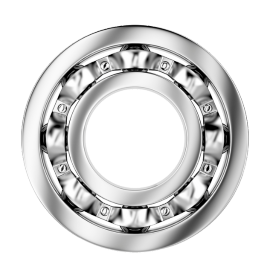
7 Key Factors Affecting Bearing Life: A Comprehensive Guide
The concept of bearing life is crucial in the field of mechanical engineering, as it directly influences the reliability and efficiency of various machinery. Bearing life refers to the duration or number of hours that a bearing can operate effectively under specified loads and conditions before it experiences failure. Understanding the factors affecting bearing life helps engineers and technicians optimize performance and prevent unanticipated downtime.
Bearings are essential components that facilitate smooth rotational or linear movement in machines by reducing friction and wear between moving parts. They play a significant role in ensuring the smooth operation of motors, generators, pumps, and various types of equipment across multiple industries. When bearings function optimally, they contribute to improved energy efficiency, enhanced productivity, and extended equipment lifespan.
However, the service life of bearings is not uniform and can be significantly impacted by various bearing life factors. These factors include load conditions, lubrication methods, environmental conditions, and manufacturing quality. Each of these elements plays a pivotal role in determining how long a bearing will perform reliably before needing replacement. For instance, excessive loads can lead to premature wear, while inadequate lubrication may cause increased friction, ultimately shortening the bearing’s lifespan.
This introduction provides a preliminary overview of bearing life and its importance in mechanical systems. The following sections will delve deeper into the specific factors that affect bearing life, enabling readers to gain insights into how these aspects can be managed to improve overall equipment performance. By understanding these factors, stakeholders can make informed decisions that enhance bearing longevity and operational efficiency.
1. Load

The load placed on bearings is a critical factor affecting bearing life. Understanding how the magnitude and direction of the load influence bearing performance is essential for achieving optimal operational longevity. Each bearing is designed to handle a specific range of loads, which is categorized into dynamic and static capacity. Dynamic capacity refers to the maximum load a bearing can support while in motion without suffering premature wear, whereas static capacity addresses the load that can be applied when the bearing is stationary.
When the loads exceed the specified dynamic or static limits for a bearing, it can lead to a dramatic decrease in bearing life. Excessive loads can cause physical deformations in the rolling elements and races, resulting in metal fatigue and ultimately bearing failure. Additionally, the direction of the load must also be considered; for instance, radial and axial loads can behave differently based on the type of bearing used. Properly matching loads with specific bearing designs is crucial to ensure that they can handle the anticipated stress without degradation of their structural integrity.
In order to optimize bearing life factors, engineers must assess the application’s load requirements meticulously. This includes evaluating not only the magnitude of the forces acting on the bearings but also their direction and variation over time. Implementing load monitoring techniques and utilizing bearings made from materials capable of withstanding higher loads can also contribute significantly towards extending bearing life. Thus, a thorough understanding of load parameters is invaluable for anyone looking to enhance the performance and longevity of their bearings in various applications.
2. Speed
 [Image showing high-speed bearing rotation effects]
Speed is a critical factor affecting bearing life, influencing the overall performance and reliability of bearing operations. The rotational speed of a bearing can significantly affect its lifetime and efficiency, whereby each bearing type has a maximum recommended speed determined by its design and materials. Exceeding this limit can lead to a range of adverse effects that can compromise the integrity of the bearing.
One of the primary limitations imposed by bearing geometry and cage design relates to the ability of the bearing to maintain its structural integrity at elevated speeds. For instance, as the speed increases, so too does the friction generated within the bearing, leading to greater heat generation. This can quickly exceed the thermal limits of the lubricants being used, resulting in degradation and a decrease in lubrication effectiveness. Insufficient lubrication at high speeds can accelerate wear on both the rolling elements and raceways, ultimately leading to premature bearing failure.
Moreover, the design of the bearing itself influences how it behaves under varying speeds. Bearings with a robust cage design can better handle high-speed applications, as they help maintain the proper spacing between rolling elements, optimizing performance. Conversely, bearings that are not adequately designed for higher speeds may experience contact between rolling elements or incorrect loading, which can further exacerbate wear and lead to potentially catastrophic failures.
Therefore, understanding the specific operating conditions and limits of speed is essential for prolonging bearing life. Implementing effective maintenance strategies, selecting the appropriate bearing for the application, and adhering to manufacturer guidelines are crucial steps in ensuring that speed-related factors affecting bearing life are managed effectively.
3. Lubrication

Lubrication plays a pivotal role in enhancing the lifespan of bearings, significantly influencing the factors affecting bearing life. The primary function of lubrication is to minimize friction between moving parts, thereby preventing metal-to-metal contact, which can lead to premature wear and failure. When bearings operate without adequate lubrication, they are subjected to increased heat and wear, leading to a reduction in their operational efficiency and overall lifespan.
There are two main types of lubricants used in bearing applications: grease and oil. Grease is typically favored for its ability to stay in place, providing consistent lubrication over extended periods without the risk of leakage. It has a thick consistency, which helps to form a protective barrier, reducing the risk of contaminants entering the bearing assembly. On the other hand, oil provides better flow properties, allowing for more efficient heat dissipation and easier distribution to critical areas of the bearing. The choice between grease and oil depends on the specific application requirements and the operating conditions.
Key bearing life factors linked to lubrication include viscosity and the regularity of replenishment. Viscosity is critical, as it determines how effectively the lubricant can reduce friction and protect components. The ideal viscosity ensures that the lubricant spreads uniformly, forming an effective film that separates moving surfaces. Additionally, regular replenishment of the lubricant is essential; as lubricants degrade over time, they can lose their effectiveness, leading to increased wear and tear. Implementing a proper lubrication regime not only optimizes performance but also significantly prolongs bearing life by maintaining the integrity of the lubricant and ensuring it can effectively perform its protective role.
4. Temperature

Temperature plays a pivotal role in determining the longevity and performance of bearings, significantly influencing various bearing life factors. Operating a bearing outside its recommended temperature range can lead to detrimental effects on both the materials and lubrication properties. In general, excessive heat causes materials to lose their strength, while low temperatures can make certain materials more brittle, leading to premature failure.
When bearings operate at high temperatures, the integrity of the lubricating oil can be compromised. Most lubricants have a maximum operational temperature; beyond that threshold, they degrade, resulting in reduced lubrication effectiveness. This degradation increases friction, heat generation, and wear, ultimately leading to a decline in the bearing’s performance and overall lifespan. It is crucial to monitor temperature conditions continuously and maintain them within acceptable limits to mitigate the risks associated with overheating.
On the contrary, extreme cold temperatures can also adversely impact a bearing’s life. In such conditions, lubrication can become too viscous, failing to provide adequate coverage to all friction surfaces. This insufficient lubrication may lead to increased wear and a higher likelihood of abrasive damage. Specific bearing materials might contract or become brittle, further exacerbating the potential for failure.
To optimize bearing performance and extend its life, it is essential to implement effective temperature control measures. This may include the use of thermal insulation, proper ventilation systems, and selecting the appropriate lubricants designed to withstand specific thermal conditions. Regular maintenance checks and temperature monitoring can ensure that bearings operate within their ideal temperature range, thus significantly contributing to the overall factors affecting bearing life.
5. Contamination
 [Image showing surface damage from dust and debris]
Contamination is one of the most significant factors affecting bearing life. Bearings are designed to operate under specific conditions, and the presence of contaminants can severely compromise their performance and longevity. Common contaminants include dirt, dust, moisture, and various industrial particles that may enter the bearing housing during operation or maintenance. These contaminants can lead to increased wear, reduced lubrication effectiveness, and ultimately, premature failure of the bearing.
When foreign particles are introduced into the bearing, they can scratch or damage the raceways and rolling elements. This damage can manifest as pitting or spalling, both of which further exacerbate involvement with other contaminants and lead to cascading failure. The specific type of contamination often determines its impact; for example, water ingress can lead to rust formation, whereas abrasive particles can cause significant mechanical degradation.
To mitigate the risks posed by contamination, proper sealing solutions are critical. Utilizing high-quality seals can significantly reduce the ingress of contaminants into the bearing housing. Sealing materials and designs should be chosen based on the operating environment and the types of contamination expected. Additionally, good installation practices play a vital role in minimizing contamination. Implementing clean assembly areas and using appropriate tools can help maintain a clean environment during the bearing installation process.
Wear particles generated during bearing operation can also become contaminants, creating a self-reinforcing loop of degradation. Regular maintenance and monitoring of bearing conditions can help detect early signs of contamination, allowing for timely intervention. Understanding how contamination acts as a crucial factor affecting bearing life will empower maintenance teams to implement effective strategies, ensuring prolonged operational efficiency and safety.
6. Misalignment

Misalignment is a critical factor that influences bearing life, as it can lead to a multitude of performance issues within machinery. When the components of a rotating system, such as shafts and housings, are not perfectly aligned, uneven load distribution occurs. This misalignment not only accelerates wear but also significantly impacts the operational efficiency of bearings.
One of the primary repercussions of misalignment is the introduction of increased stress concentrations within the bearing structure. Bearings are designed to support specific loads along predefined axes, and when misalignment takes place, forces are applied at some incorrect angles. This distortion results in uneven load distribution, which can cause localized overloading in certain areas of the bearing, leading to premature wear and eventual failure.
Furthermore, misalignment tends to produce excessive vibration during operation. As the bearings rotate under these compromised conditions, the inherent imbalance generates dynamic forces that can amplify wear rates. Over time, the resulting vibrations degrade both the bearing itself and the surrounding components, further compounding the issue. It is important to note that even slight misalignments can have a significant cumulative effect on bearing life factors over the course of a machine’s operation.
To counteract the adverse impacts of misalignment, regular alignment checks and maintenance are essential. Utilizing advanced alignment tools and techniques can help ensure that components are properly positioned, thus promoting a more evenly distributed load across the bearings. Attention to this common yet critical issue can lead to extended bearing life and improved overall equipment reliability.
7. Bearing Quality

Bearing quality plays a pivotal role in determining the overall service life of various machinery and components. The longevity of a bearing is intrinsically linked to several quality-related factors, each contributing to its performance and reliability over time. One of the primary aspects to consider is the quality of raw materials used in the production of bearings. High-grade materials can significantly enhance the durability and resistance of bearings under varying operational conditions, directly influencing their life expectancy.
Furthermore, the manufacturing precision in the creation of bearings cannot be overlooked. Precision manufacturing ensures that bearings are produced to strict tolerances, which minimizes irregularities and enhances their operating efficiency. Any deviations or inaccuracies can lead to excessive wear and premature failure, thereby reducing bearing life. Consequently, manufacturers that prioritize precision are more likely to provide products that stand the test of time.
In addition to the materials and manufacturing techniques, effective quality control processes are integral to ensuring the final product meets established standards. Rigorous inspections during different production stages help identify defects early on, allowing for adjustments to be made before the bearings reach the market. This proactive approach not only supports the integrity of the bearings but also strengthens user trust in the reliability of their performance.
Ultimately, combining high-quality raw materials, precision manufacturing, and strict quality control establishes a robust framework for producing bearings that can withstand the rigors of industrial applications. These factors collectively contribute to the overall bearing life, making quality an essential consideration for any industry reliant on these critical components.
Conclusion and Recommendations
Throughout this discussion, we have meticulously analyzed the key factors affecting bearing life. Understanding these bearing life factors is vital for engineers and technicians alike, as they have significant implications for mechanical performance and durability. Each factor, from load conditions and lubrication to environmental influences and material selection, contributes to the overall effectiveness and lifespan of bearings.
To enhance bearing performance and longevity, it is crucial that professionals prioritize routine maintenance and monitoring. Implementing an effective lubrication strategy is vital, as proper lubrication minimizes friction and wear, directly impacting the bearing’s operational lifespan. Additionally, selecting the right type of bearing material can significantly influence its resistance to corrosion and fatigue, thus extending its service life.
Working conditions must also be optimized. For instance, minimizing exposure to high temperatures and corrosive substances can prevent premature failure. Engineers should utilize appropriate sealing methods to protect bearings from contaminants, which is among the critical factors affecting bearing life. Regular inspection and predictive maintenance techniques can further identify potential issues before they escalate.
Furthermore, it is essential to understand the load dynamics that the bearings will encounter. Properly calculating and managing these loads can prevent overload situations that compromise bearing integrity. Training personnel on best practices for installation and handling can also mitigate risks associated with operational errors.
In conclusion, embracing a comprehensive approach that includes awareness of the factors affecting bearing life, implementing preventative maintenance strategies, and ensuring the right materials and conditions can significantly improve bearing reliability and performance. By applying these recommendations, technicians can not only promote efficiency but also enhance the longevity of bearing systems in their operations.