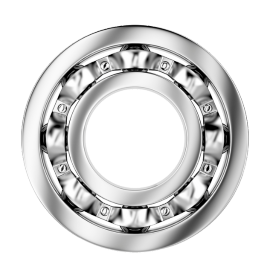
Optimizing Reliability: Bearing Materials & Accuracy Standards
Bearing Materials are the most critical factor determining the operational life and load-bearing capacity of any mechanical system. At ZGBK, we prioritize high-grade metallic alloys that offer exceptional fatigue life, corrosion resistance, and structural stability. Understanding the chemical composition of steel types like GCr15 allows engineers to optimize performance. For noise-sensitive applications, check our Bearing Vibration Standards to see how industrial element purity affects vibration levels.
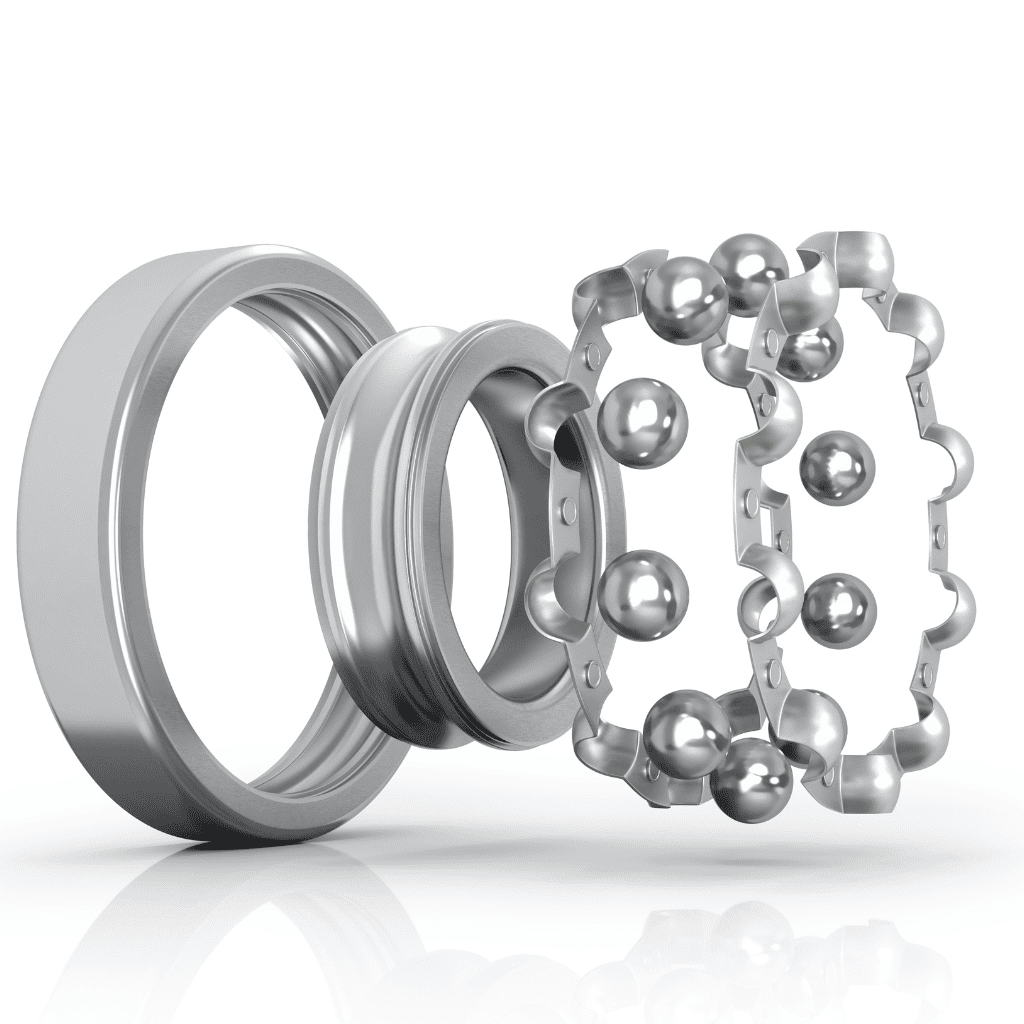
Table 1. Chemical Composition of Bearing Steel (GCr15)
| No. | ج | Mn | Si | Cr | S < | P < | Ni | Cu | HB |
|---|---|---|---|---|---|---|---|---|---|
| GCr15 | 0.95-1.05 | 0.20-0.40 | 0.15-0.35 | 1.30-1.65 | 0.020 | 0.027 | 0.30 | 0.25 | 170-207 |
Table 2. International Steel Grade Comparison
| Country | China | ISO | U.S.A | Germany | Japan | Sweden |
|---|---|---|---|---|---|---|
| Grade | GCr15 | 683/XVIII | AISI 52100 | 100Cr6 | SUJ2 | SKF3 |
Table 3. Physical Properties of Chrome Steel
| Properties | Density (kg/m³) | Expansion (10⁻⁶/K) | Hardness (HRC) | Modulus (GPa) |
|---|---|---|---|---|
| Values | 7.81 x 10³ | 12.5 | 60 – 64 | 208 |
ال GCr15 chrome steel is the global benchmark for Bearing Materials in standard power transmission. Equivalent to AISI 52100, this material provides high hardness and wear resistance. Its physical properties ensure minimal deformation under heavy radial and axial loads.
Table 4. Chemical Composition of Stainless Steel
| No. | C% | Cr% | Si% | Mn% | S% | P% | Mo% | Ni% |
|---|---|---|---|---|---|---|---|---|
| AISI 440C | 0.95-1.10 | 17.0-19.0 | ≤0.8 | ≤0.7 | ≤0.03 | ≤0.035 | – | – |
| AISI 304 | ≤0.08 | 18.0-20.0 | ≤1.0 | ≤2.0 | ≤0.03 | ≤0.035 | – | 8.0-10.5 |
| AISI 316 | ≤0.08 | 16.0-18.0 | ≤1.0 | ≤2.0 | ≤0.03 | ≤0.045 | 2.0-3.0 | 10.0-14.0 |
Table 5. Tolerance & Precision Grade Comparison
| Standard | Normal | Class 6 | Class 5 | Class 4 | Class 2 |
|---|---|---|---|---|---|
| ISO 492 / JIS | Normal/0 | Class 6 | Class 5 | Class 4 | Class 2 |
| DIN 620 | P0 | P6 | P5 | P4 | P2 |
| ANSI ABMA 20 | ABEC 1 | ABEC 3 | ABEC 5 | ABEC 7 | ABEC 9 |
Precision grades like ABEC 7 (ISO P4) are essential for high-performance applications. For comprehensive technical data on these tolerances, refer to the Official ISO 492:2023 Standard. Tighter tolerances reduce friction and heat generation, but they must be supported by ultra-pure Bearing Materials to prevent microscopic surface failures.
Material Fatigue Life & Structural Integrity
The fatigue life of Bearing Materials is determined by the cleanliness of the steel. Non-metallic inclusions can act as stress concentration points where cracks originate. By using vacuum-degassed steel, ZGBK ensures that the molecular structure of our Bearing Materials is uniform, significantly extending the L10 rating life of our products. This attention to metallurgical detail is what separates premium industrial components from standard commercial grades.
Technical Selection for Extreme Environments
When selecting Bearing Materials for extreme temperatures, engineers must consider thermal expansion coefficients. At ZGBK, we offer specialized heat stabilization (S0 to S4) to ensure our materials maintain dimensional accuracy up to 250°C. Our commitment to sourcing superior Bearing Materials ensures every unit meets the rigorous demands of modern industry.